Day Nursery
Did you know?
The Rare Breed Survival Trust classes all UK native poultry as under threat as priority breeds.
 Open today 10am – 5.30pm
 Getting here
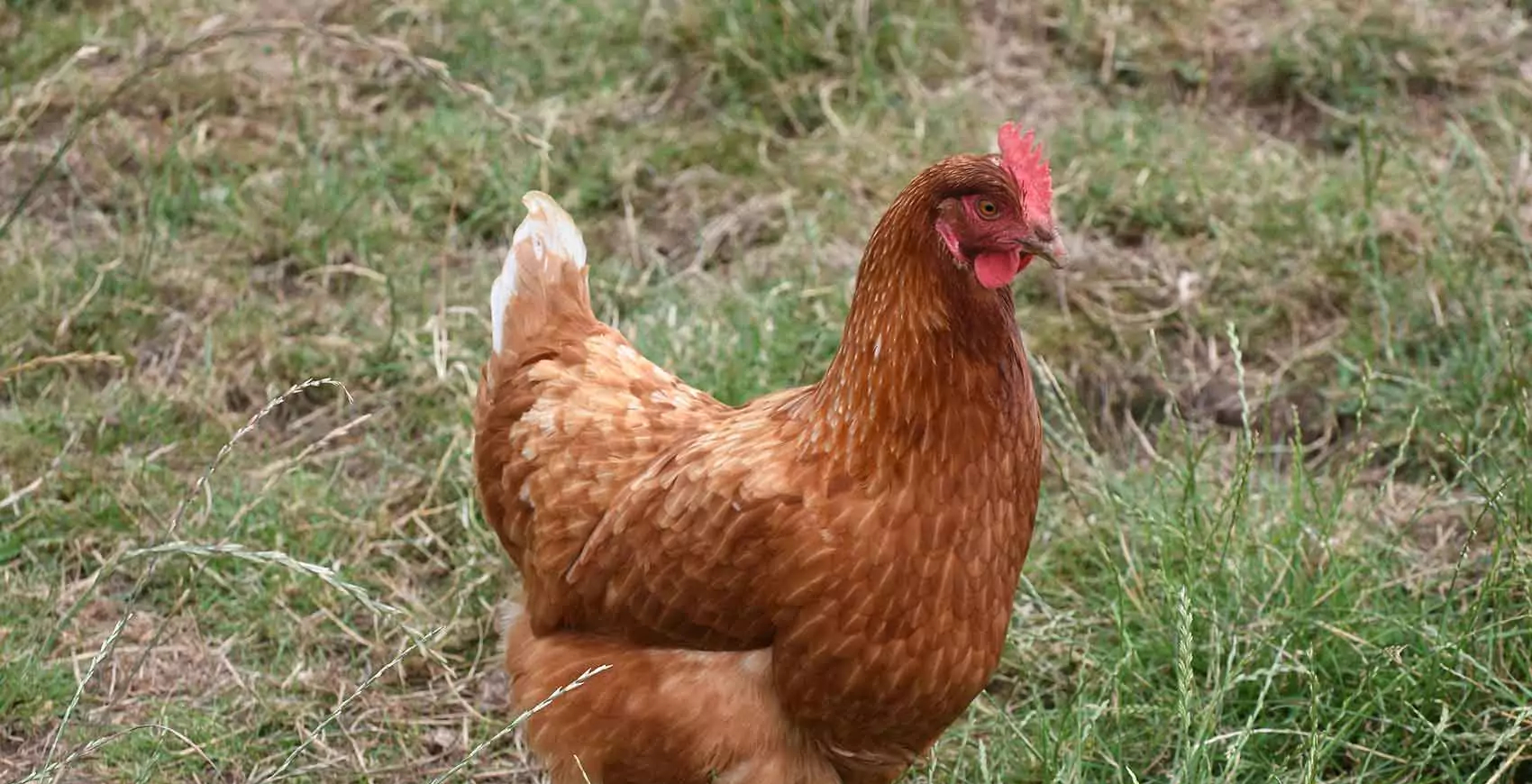
The Rare Breed Survival Trust classes all UK native poultry as under threat as priority breeds.

Buff Orpington Chickens are not under threat.
The Buff Orpington was introduced in 1894 to satisfy the demand for buff coloured birds. The new variety was achieved by crossing gold spangled Hamburg cocks with dark and red Dorking hens and then mating the offspring pullets with Buff Cochin cocks. They were named after the town of Orpington in Kent where they were bred.
Their eggs are cream to light brown, of an average size and taste great. With a strong tendency to sit on their eggs, the Buff Orpington Hens make great mothers.
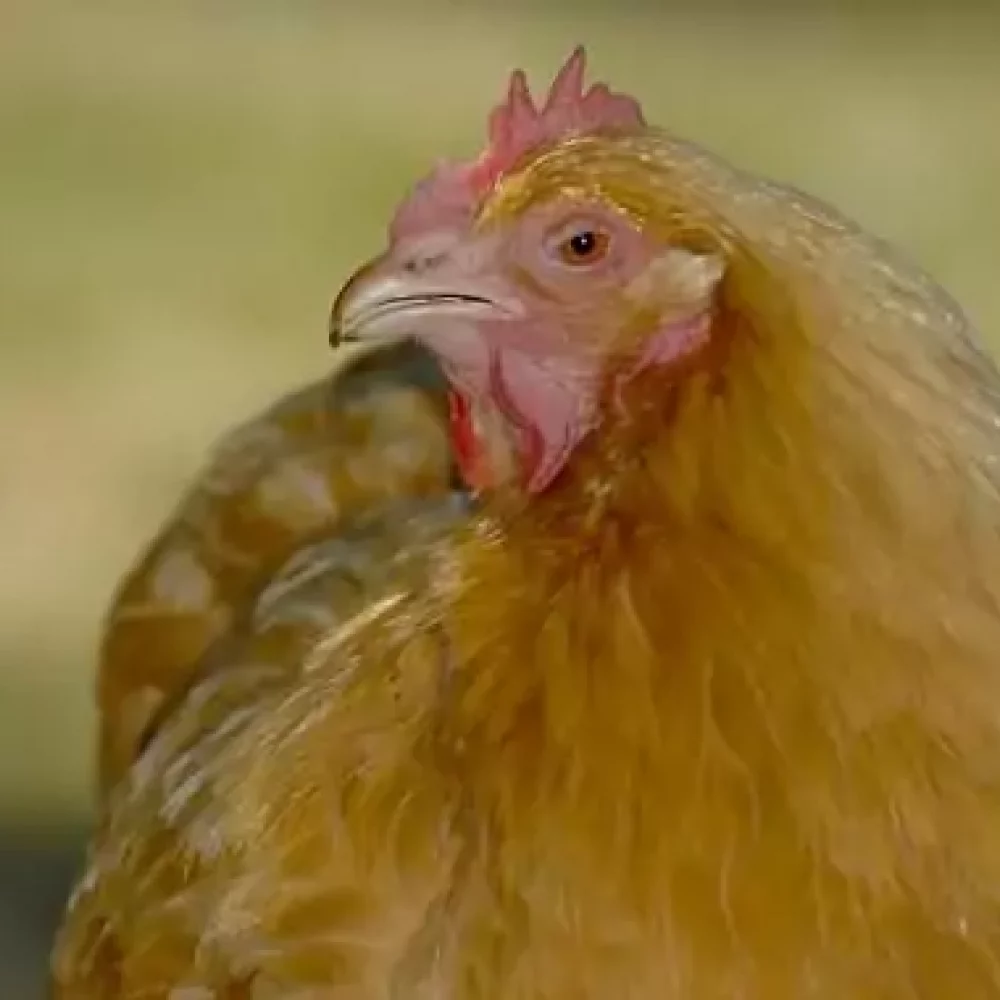
In addition to being attractive birds for visitors to see on their day out, Odds Farm Park are actively bolstering this rare breed’s numbers.
The heavy soft feathers of the Buff Orpington Chickens make these already large birds, look even bigger. Children on a day out will find them extremely attractive with their soft almost fluffy appearance, rich golden colour and gentle contours.
Crowlitzer Turkeys are classed as a Priority Breed by the Rare Breed Survival Trust, which means they are under threat.
Originating from Germany, the Crollwitzer Turkey is similar to the Pied Turkey but smaller.
Their eggs are very large and slightly speckled and they lay them in dark places for perfect incubation.
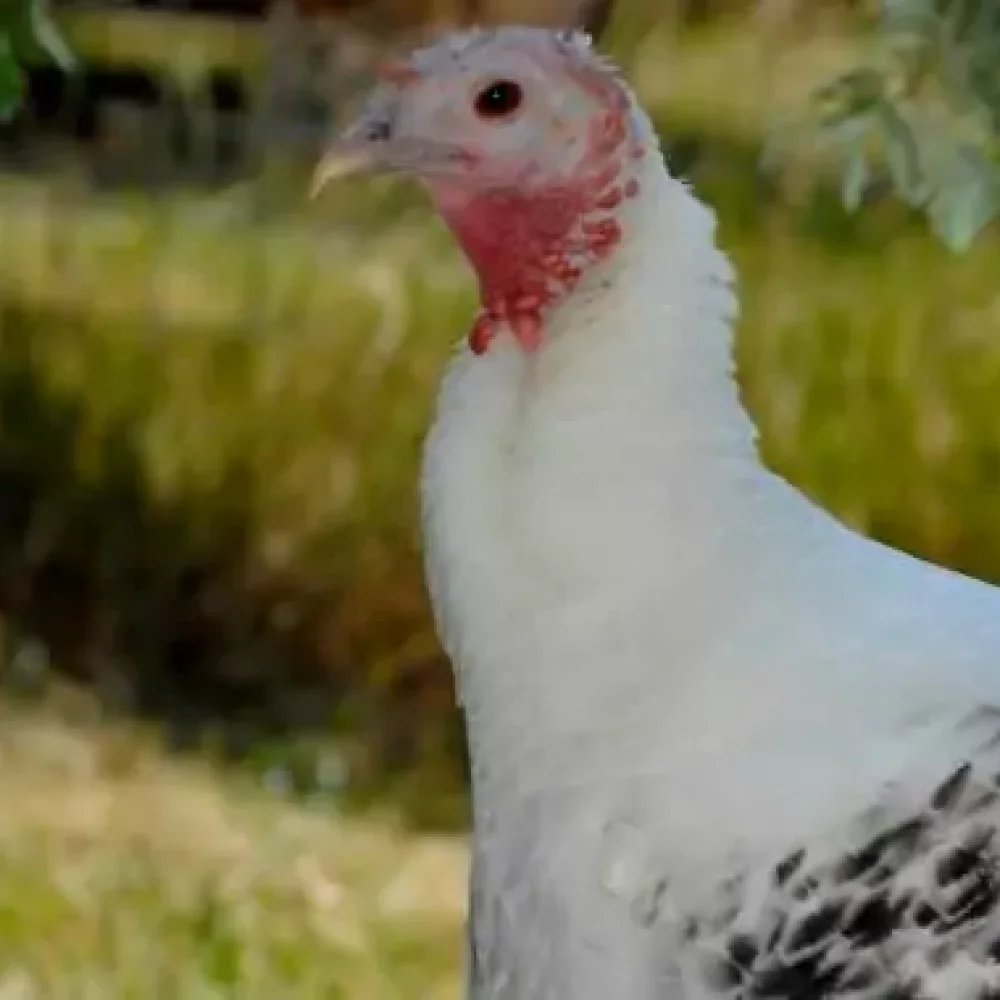
The Crollwitzer Turkey is a very attractive looking turkey to see on a day out. The Turkeys at Odds Farm Park have beautiful white fanned tails.
Children can identify the Crollwitzer Turkey at Odds Farm Park by its striking black and white plumage. It is a small breed of turkey, very beautiful and shouldn’t be missed on a day out
The Polish Chicken is not under threat.
Surprisingly, the Polish Chicken originates from Holland, not Poland. Initially bred for its eggs, today the Polish Chicken is bred mainly as a show bird.
Their eggs are pure white and small. Polish Chickens do not generally sit on their eggs to keep them warm and therefore to successfully breed Polish Chickens, the eggs need to be put in incubators or put with other chicken breeds that will sit on their eggs and hatch them. However at Odds Farm Park for the last 2 years our Polish Chickens hatched out their own eggs and reared them successfully themselves.
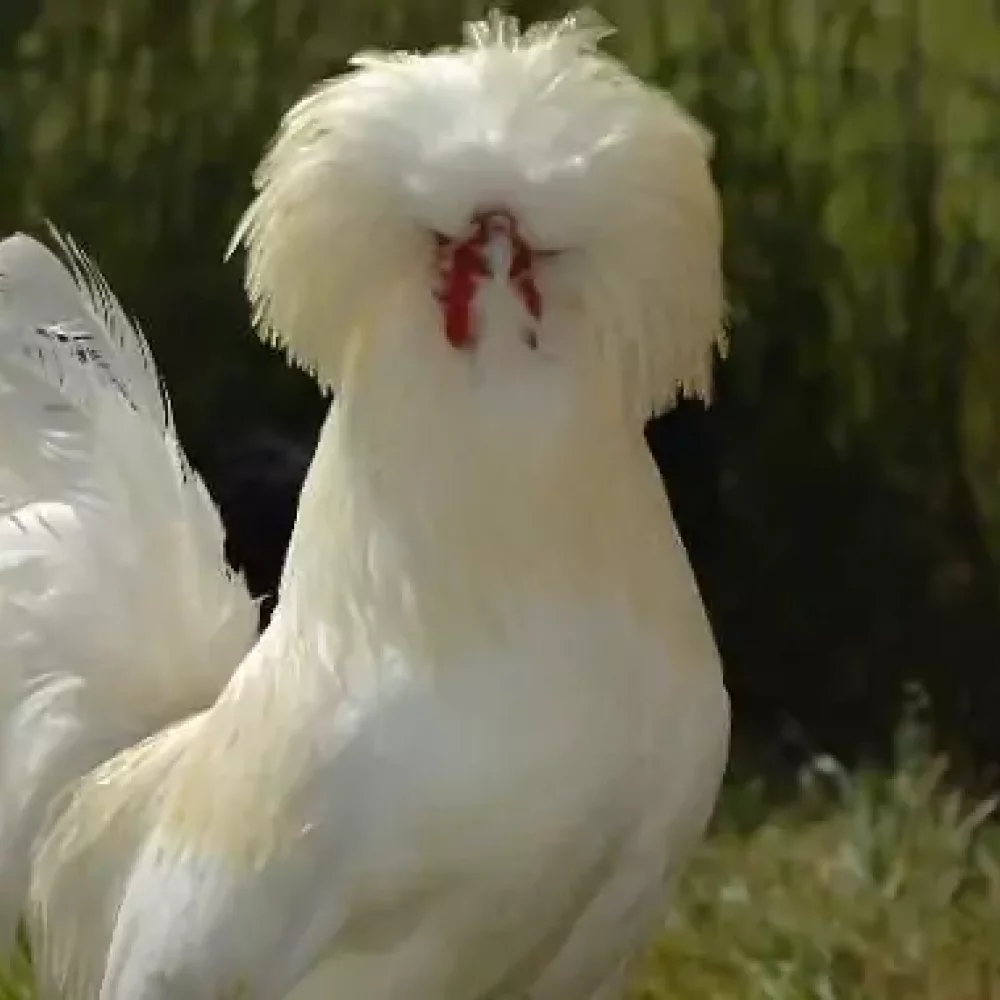
The Polish Chicken are at Odds Farm Park simply because of their striking appearance.
On a day out, children can identify these beautiful birds by their explosive topknot of feathers, sometimes in a contrasting colour to their body colour. The topknot of feathers usually obscures their vision, making them calmer than other chickens.
The Silkie Chicken is not under threat.
Silkie Chicken originates from East Asia and arrived in Europe about 200 years ago.
This breed lays about 100-200 eggs each year. It is easy to recognise their eggs as they are a creamy-brown colour. The Silkie Chicken is known to stop laying eggs during the summer months when it’s warmer.
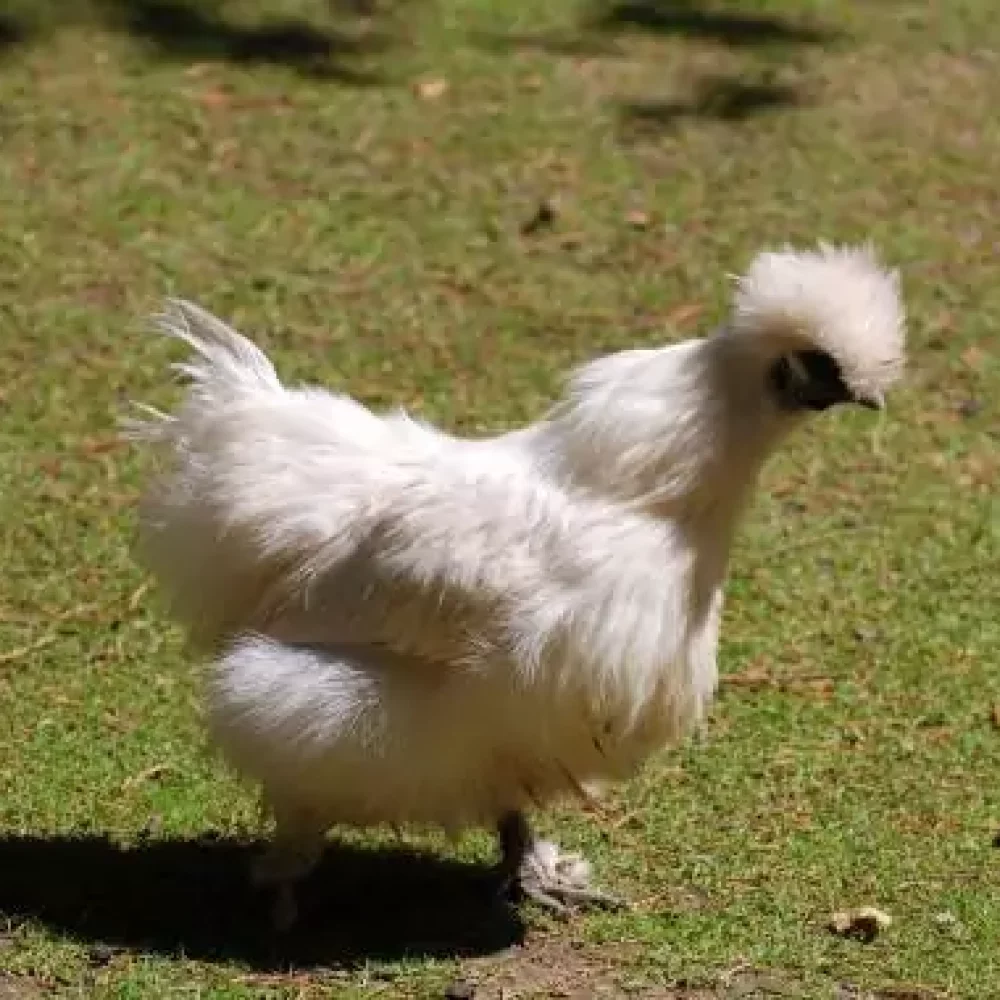
The Silkie Chicken is at Odds Farm Park because they are very adorable, fluffy and a friendly breed.
Its is easy to identify this breed as they are fluffy and adorable like kittens. These chickens have very soft fine feathers which can be black, white, grey or gold. This breed usually has a black coloured face, bones, skin, their flesh is a dark grey-blue which is also a similar colour to their beak. What makes the Silkie Chicken amazing is the fact that they have five toes and blue earlobes.
The Wyandotte Chicken is not under threat.
The Wyandotte Chicken breed originates from the United States and was first recognised in 1870s.
The Wyandotte Chicken lays roughly about 240 eggs and is great at laying their eggs in the winter months. You can easily recognise them, as the eggs are light to rich brown in colour.
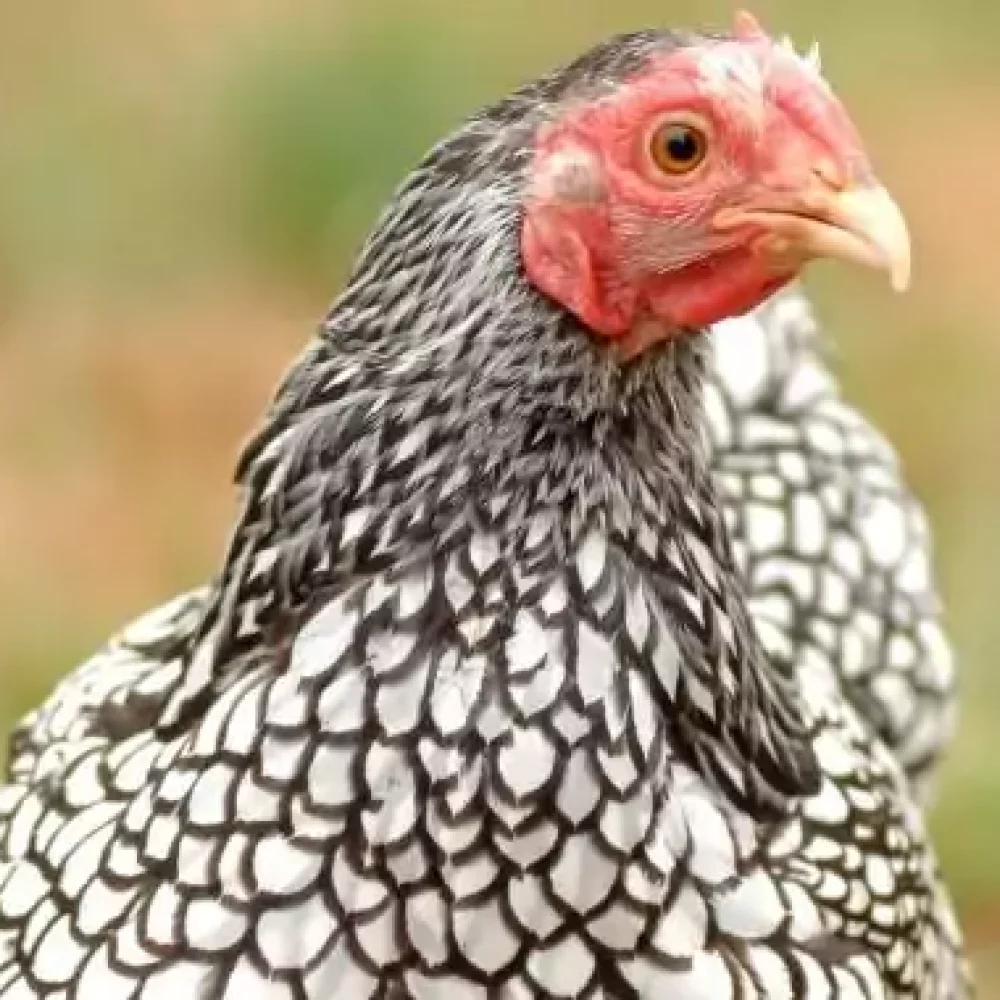
This breed comes in 17 beautiful colours and it’s amazing to see their striking appearance. You can also easily recognise them by their strong personalities.
The Wyandotte is a medium-large sized bird and has a classic rounded shape. Their feathers are often laced and look very attractive. They are also loosely fitted and broad which can make them look fluffy. You will recognise their legs as they are a classic yellow colour and their wattles and comb are a deep red.
Sussex Chickens are classed as a Priority Breed by the Rare Breed Survival Trust, which means they are under threat.
The Speckled Sussex originated from England in the time of the Roman conquest of Britain.
You can identify the eggs as they are tinted or light brown. They lay their eggs all the way through winter. One adult Speckled Sussex will lay roughly about four or five eggs each week. Their eggs can sometimes be small compared to their size.
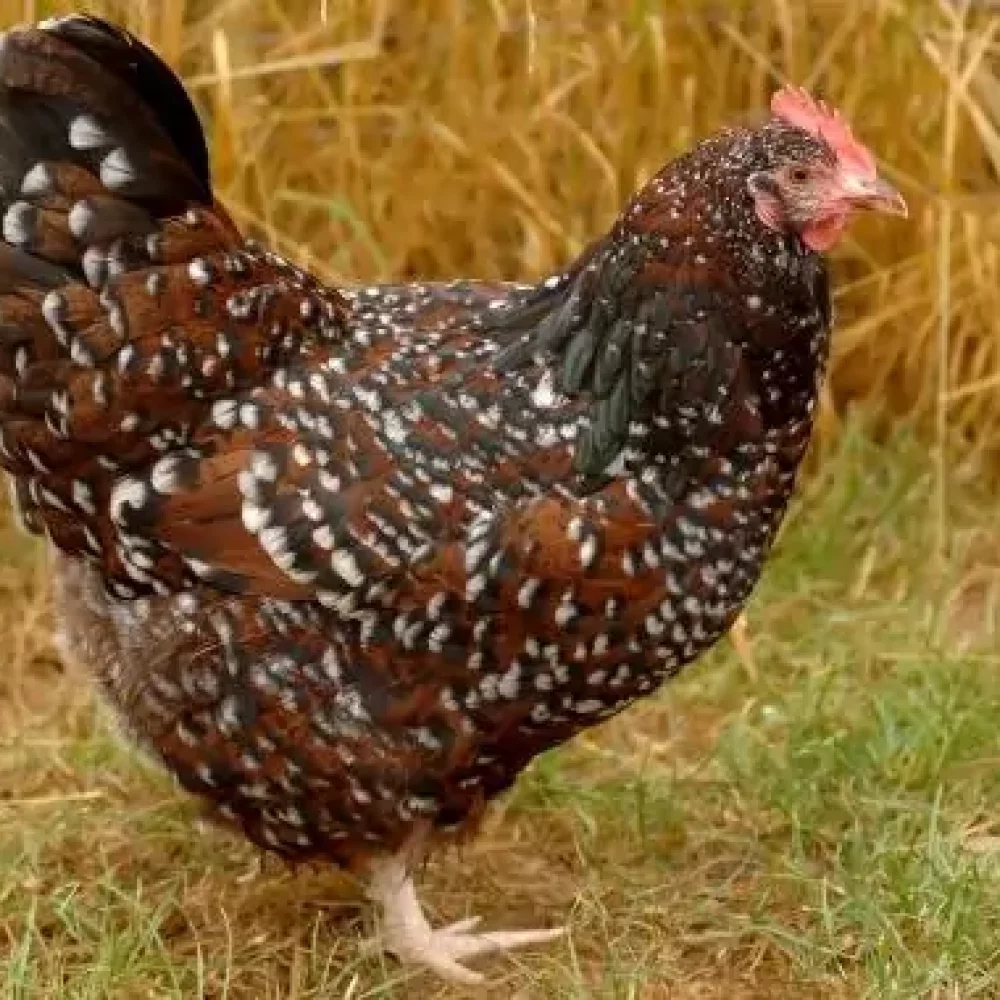
Children will adore this chicken at Odds Farm Park. The Speckled Sussex chicken is known as a friendly, kind and gentle breed. We’re sure you’ll love this cheerful and comical breed.
This breed is a medium size. You will notice that it has a mahogany colour plumage base and it has speckled feather tips, which makes this breed very attractive. They also have red or orange coloured eyes and even red earlobes. Their feet and skin are normally white. This breed is also docile and has a curious yet a mellow personality. You will notice that this breed becomes more beautiful with age.
The Belgium d’uccles is not under threat.
This breed originates from a town of Uccle on the outskirts of Brussels in Belgium in the early 19th Century. Micheal Van Gelder developed this breed and named it after its home town – Uccle in Belgium.
This breed produces small eggs which are creamy or tinted colouring. The Belgium d’uccles can lay about 2-3 eggs per week.
Children will love the Belgium d’uccles as they are friendly and gentle. These chickens are charming and is a very calm bird. You can easily notice them as they have a strong, upright proud appearance.
This breed is quite short and has a broad body with a well developed neck. This breed has a short beak which is curved and they have a single comb and a strong head. They have large bright eyes and the colour will vary according to the plumage. These chickens have short thighs and four toes that are straight and evenly spread
The Barnevelder Chicken is not under threat.
The Barnevelder Chicken originates from a town called Barneveld in Netherlands (Holland) at the beginning of the 1850s.
This breed lays about 180-200 eggs per year. They are sought after because of their coppery brown eggs and lay their eggs throughout the winter months. However, now they tend to produce lighter coloured eggs.
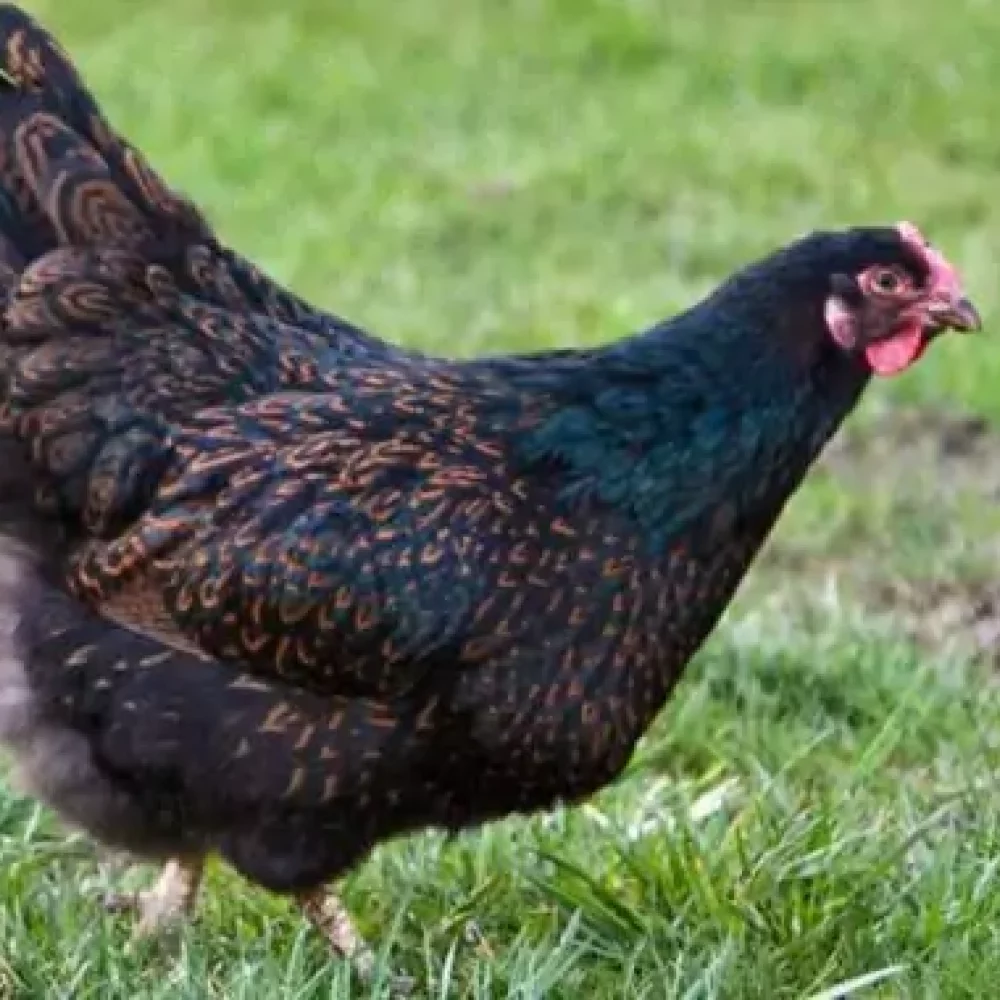
Children will love this docile friendly bird as they enjoy human contact. The Barnevelder Chicken make excellent mothers and loves to nurture their chicks when they are hatched. Children will enjoy this pleasant breed.
The Barnevelder Chicken has an upright stance, broad breasts and a concave back. It has a single comb and red ear lobes. You will instantly notice that this breed has reddish coloured eyes and yellow shanks and toes. Their plumage is normally black or brown. Their features are usually a mixture of colours including black, brown, white, blue and silver. Did you know these chickens don’t tend to fly as much because they have shorter wings.
Read all about The Animals we have at Odds Farm Park and view our Animal Contact Advice before your visit.x
@oddsfarmpark