Day Nursery
Did you know?
A cow is a female who has had a calf. Before she has a calf she is called a heifer. Adult males are called bulls.
 Open today 10am – 5.30pm
 Getting here
A cow is a female who has had a calf. Before she has a calf she is called a heifer. Adult males are called bulls.
The Highland Cow is not a rare breed.
The Highland breed of cattle was developed in Western Scotland. Written records go back to the 18th Century, but it is thought the breed were around before this time.
Cows drink between 25-50 gallons of water each day. That’s nearly a bathtub full!
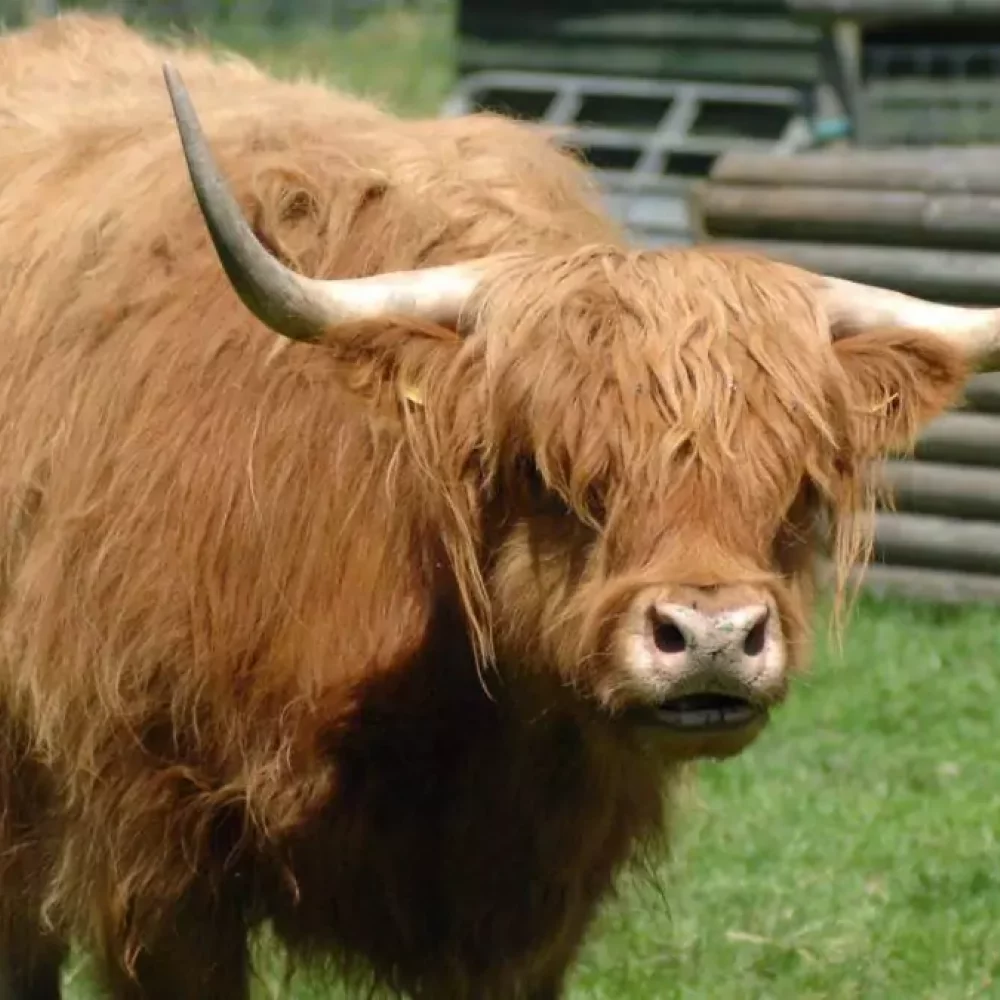
Whilst not rare, the appearance of Highland Cattle makes them the UK’s most distinctive breed for children to see. They are bound to fall in love with them!
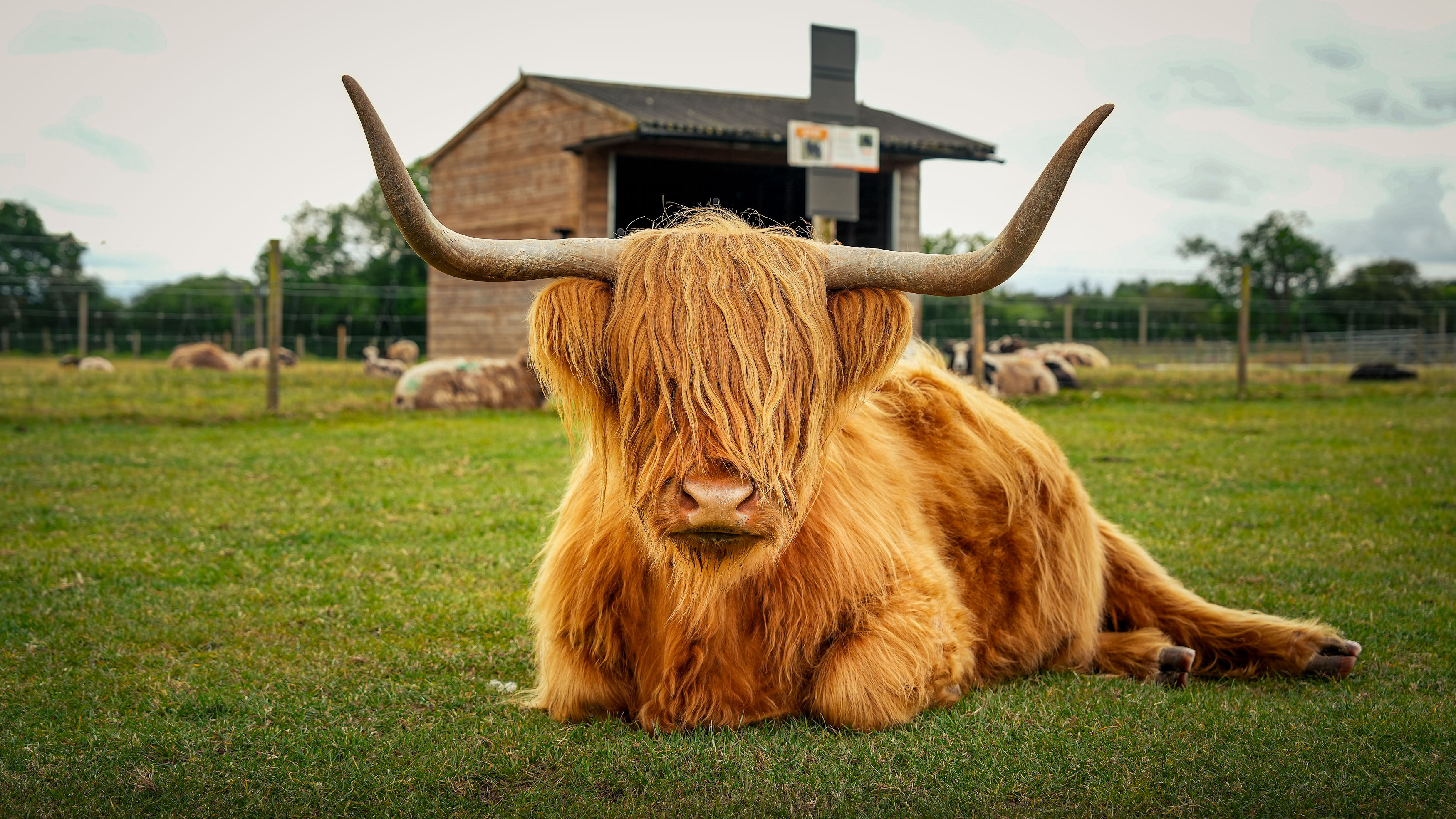
Children can identify Highland Cattle at Odds Farm Park by their long, thick, shaggy coat of rich ginger hair and their majestic sweeping horns. They look extremely cuddly and shouldn’t be missed on a day out. At Odds Farm Park we have a mother and daughter.
Jersey Cows are not classed as rare.
There are no prizes for guessing that the Jersey Cow was originally bred within the Channel Island of Jersey. It descended from cattle stock brought over from France and was first recorded as a separate breed around 1700.
An average cow that is milked twice daily produces about ten gallons of milk a day. It takes about 1.5 gallons of milk to make one gallon of ice cream!
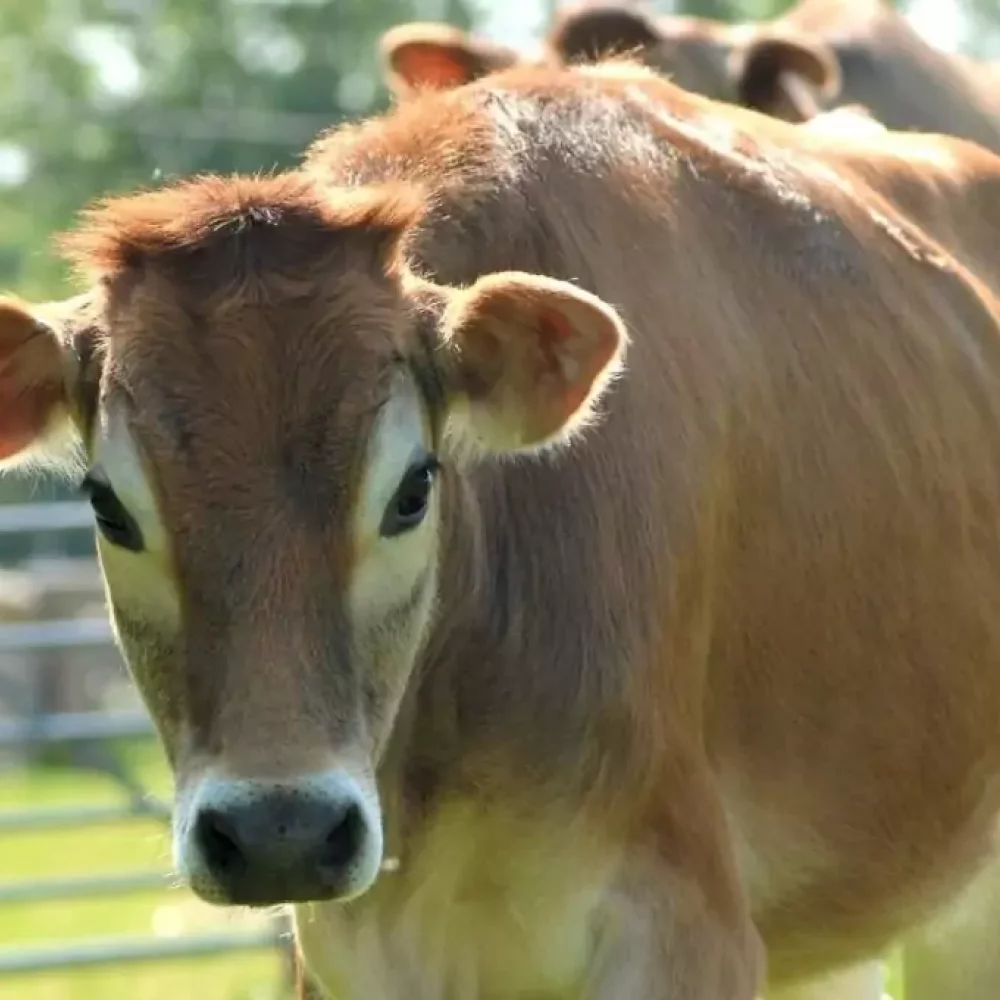
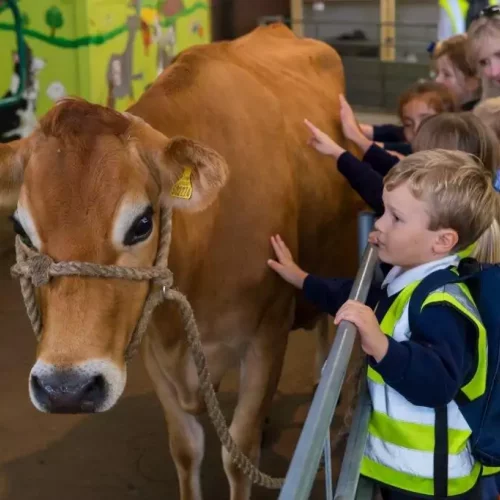
Jersey Cows have a very gentle nature and are used for the Cow Milking Demonstrations at Odds Farm Park, a great activity for children to watch on their day out. Jersey cows are recognised for their superior quality milk.
During a day out, children can identify Jersey Cows by their light brown silky coat. They also have the most amazing beautiful dark eyes.
The Rare Breed Survival Trust has five criteria for rare breeds, based upon how many registered breeding females there are left. The criteria vary for each type of animal.
Less than 150 breeding cows left
150 to 250 breeding cows left
250 to 450 breeding cows left
450 to 750 breeding cows left
750 to 1500 breeding cows left
Some of our animals are not on display in the paddocks outside during the colder months, because they may have been moved to our winter paddocks where there is more shelter available, or into our undercover Animal Barn to keep warm (where they are still on display for our visitors to see). During the summertime, we may also need to rest the paddocks from time to time.
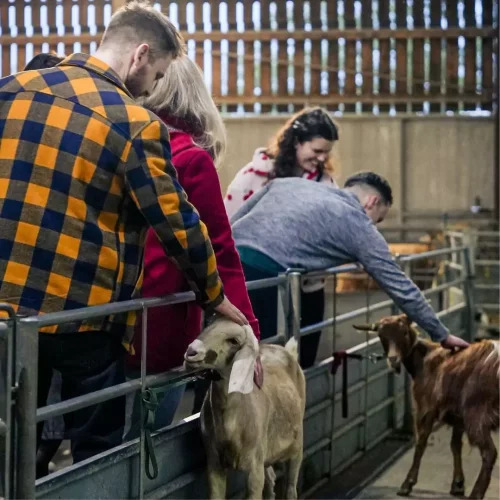
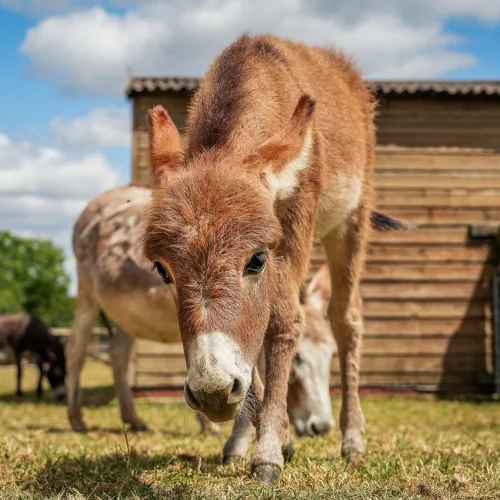
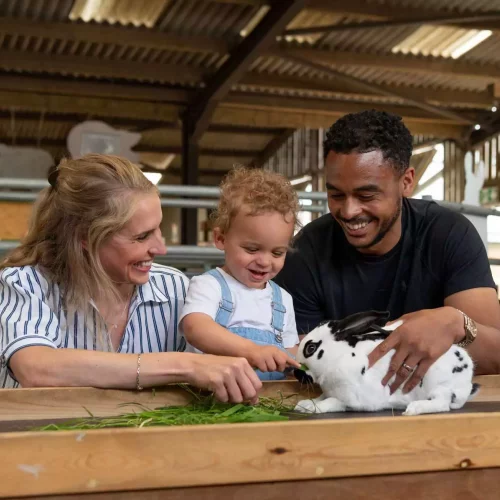
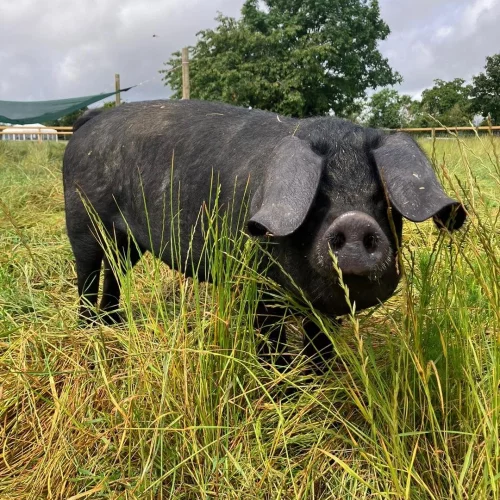
Our visitors can see sheep, goats, pigs, donkeys, rabbits and guinea pigs in the under cover Animal Barn at all times, including a variety of rare breeds and very often their young too!
Read all about The Animals we have at Odds Farm Park and view our Animal Contact Advice before your visit.
@oddsfarmpark